Energy use is a daily issue in most industries. Machines run longer. Loads are heavier. Downtime costs money. When energy consumption increases, operating costs rise with it.
Most discussions around efficiency focus on engines, motors, or system upgrades. Lubrication is often treated as routine maintenance. That view misses an important point.
The lubricant inside a machine directly affects how much effort that machine needs to work. When resistance increases, energy use increases. When resistance is controlled, efficiency improves. This is where lubrication quality and energy efficiency connect.
What Friction Does to Energy Use
Inside any engine or industrial system, metal parts move constantly. Gears rotate. Bearings carry load. Shafts turn under pressure.
Friction is unavoidable, but it can be controlled.
A good lubricant creates a film between moving parts. That film reduces metal contact. When the film is stable, movement is smoother. When the film weakens, friction increases.
More friction means more heat. More heat means the system needs extra power to keep operating. This is one of the simplest ways energy consumption increases without obvious failure.
Nothing breaks right away. The cost builds quietly.
Why Lubrication Quality Is Often Overlooked
Many machines are lubricated on schedule. That does not guarantee good lubrication.
Lower-grade products may meet basic specifications but struggle under real operating conditions. Viscosity changes. Additives lose strength. Contaminants build up. These changes happen slowly, which makes them easy to miss.
As lubrication quality drops, resistance increases. The machine still works, but it draws more power to do the same job. This is a common reason energy efficiency declines over time.
Good lubrication is about consistency, not just initial performance.
How Lubricants Influence Energy Efficiency
Modern lubricants are designed with more than wear protection in mind. They are built to control friction and heat during long operating cycles.
A stable lubricant holds its viscosity under load. It resists oxidation at high temperatures. It keeps internal surfaces clean enough to move freely.
When this happens, internal drag stays low. Motors do not work as hard. Fuel systems operate more efficiently. Over time, energy consumption stays under control.
This is not theoretical. Operators see it in smoother operation and longer maintenance intervals.
High Temperatures Make the Difference Clearer
Heat changes everything. In hot environments, lubrication systems face constant stress. Oils degrade faster. Greases lose structure. Fluids thin out when they should not.
As lubrication breaks down, friction rises. Energy losses follow.
This is where regional experience matters. A lubricant manufacturer in the UAE works in high-temperature conditions every day. Products are formulated with heat and load in mind, not as an afterthought.
Without that focus, efficiency losses are difficult to avoid.
Manufacturing Quality and Energy Performance
Lubricants do not behave the same if they are not made the same way.
Inconsistent blending leads to inconsistent performance. Small variations in formulation can change how a lubricant behaves under load. When behaviour changes, energy consumption changes too.
Manufacturers with disciplined processes test viscosity, stability, and formulation consistency regularly. This helps maintain steady lubrication quality in real applications.
This level of control is one reason buyers prefer working with an established lubricant manufacturer in the UAE.
How Black Bulls Approaches Lubrication
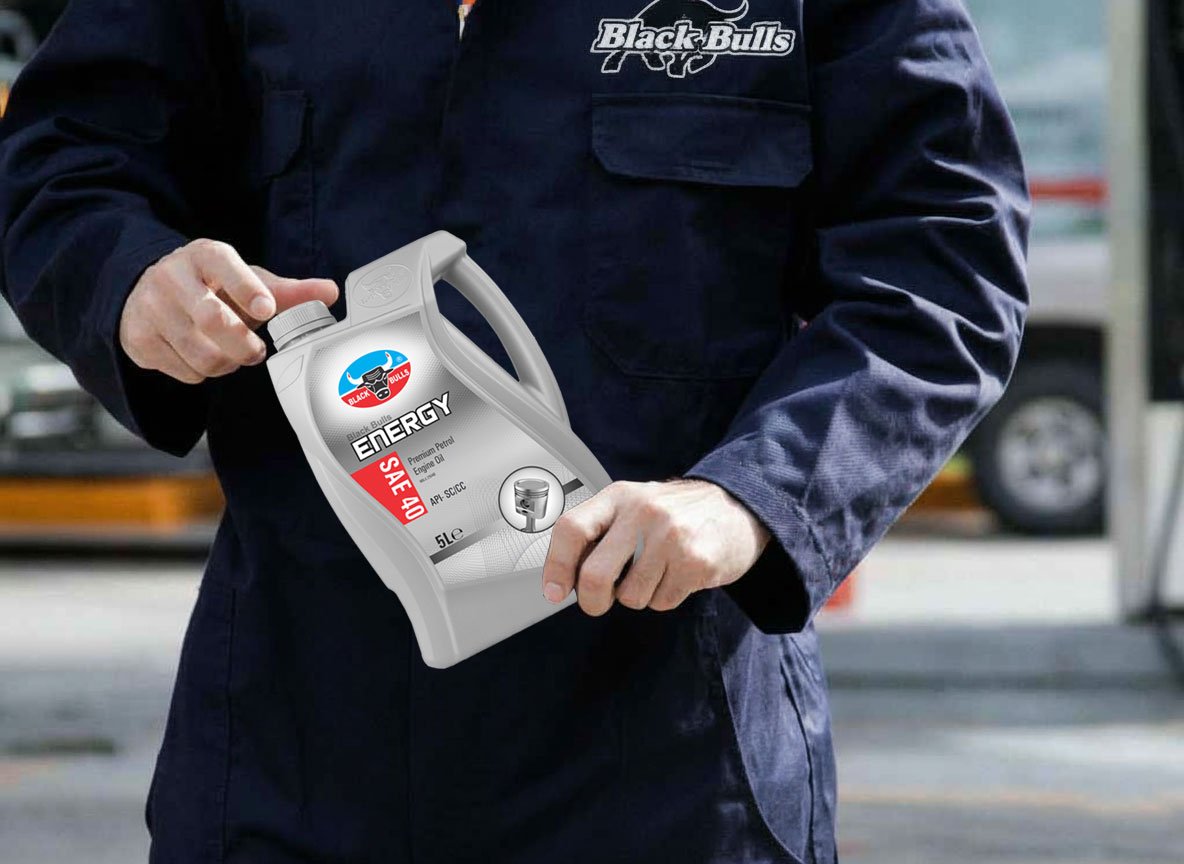
Black Bulls Grease & Lubricants focuses on how products perform over time, not just at the start of use.
Engine oils are developed to reduce internal resistance under continuous load. Industrial greases are formulated to stay stable in bearings and joints. Coolants help control operating temperature, which directly affects efficiency. Transmission fluids support smooth power transfer without unnecessary drag.
This approach helps reduce energy consumption while protecting equipment in demanding environments.
Energy Savings Are Gradual
Better lubrication rarely produces instant results. The impact shows up slowly.
Lower operating temperatures. Reduced power draw. Fewer unexpected stops. These are signs that lubrication quality is doing its job.
For operations with high energy costs, these small improvements matter. Over time, they support better energy efficiency without changing machinery or processes.
Why Buyers Choose UAE Lubricant Manufacturers
Buyers care about consistency. They want products that arrive on time and perform the same way every time.
The UAE has earned a reputation for reliable production and export readiness. As a lubricant manufacturer in the UAE, Black Bulls operates within this system.
That reliability supports long-term performance and efficiency goals across different industries and regions.
The link between lubrication quality and energy efficiency is practical and measurable. Poor lubrication increases friction. Increased friction raises energy consumption. Good lubrication reduces both.
For businesses looking to control costs, lubrication should be part of the efficiency discussion. Not as a detail, but as a factor that affects daily operation.
Working with an experienced lubricant manufacturer in the UAE helps ensure lubrication performs as expected under real conditions.
For tailored solutions and technical guidance, contact the sales team at Black Bulls Grease & Lubricants.