Choosing a lubricant supplier is not just a purchasing decision. For many businesses, it quietly affects machine uptime, service quality, fuel efficiency, maintenance costs, and even customer satisfaction. A fleet manager feels it when vehicles face repeated engine issues. A construction company feels it when equipment stops in the middle of a project. A workshop feels it when customers return with complaints after service. That is why selecting the right partner from the many lubricant suppliers in the UAE needs more thought than simply comparing prices on a quotation.
A good supplier should not only deliver oil. They should support your operations, understand your usage, recommend the right grades, and stay reliable even when demand changes. Price matters, of course. But in the long run, consistency matters more.
Start With Product Quality, Not Just Brand Names
Many buyers make the mistake of assuming that a known label automatically means the best fit. Sometimes it does. Sometimes it does not.
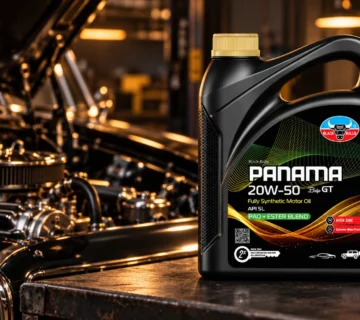
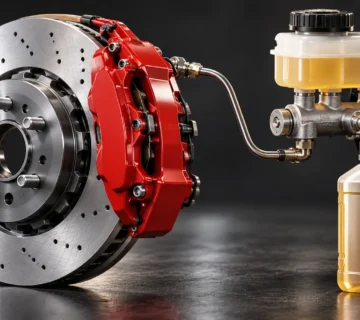
The first thing to check is whether the supplier offers lubricants that match your actual application. Automotive engine oils, hydraulic oils, gear oils, greases, transmission fluids, marine lubricants, and industrial oils are not interchangeable. Each has a specific role, and using the wrong product can lead to overheating, wear, pressure loss, poor performance, or premature failure.
Ask for product data sheets. Check viscosity grades, certifications, specifications, and approvals. For fleets, the lubricant must suit the engine type, vehicle usage, climate, and service intervals. For factories and construction sites, the oil must handle load, heat, dust, pressure, and long operating hours.
A serious supplier will not hesitate to share technical documents. If they only talk in general claims like “best quality” or “premium oil” without giving details, be careful.
Check Their Understanding of UAE Operating Conditions
The UAE is not an easy environment for machines. Heat, dust, traffic, long-distance transport, heavy loads, and stop-start driving all put pressure on lubricants.
This is especially important for logistics fleets, taxis, buses, delivery vehicles, off-road equipment, generators, compressors, and industrial machinery. Oils that perform well in mild conditions may not always hold up under extreme heat or continuous operation.
Your supplier should understand this. They should be able to explain which product is suitable for desert driving, high-load machinery, long drain intervals, hydraulic systems, or high-temperature operations. If they cannot connect the product to your working conditions, they are probably just selling stock, not solving a problem.
Look at Supply Consistency and Delivery Capability
A supplier can have good products but still fail you operationally.
Delayed delivery is not a small issue when your vehicles are waiting for service or your machines need maintenance. For companies that run workshops, fleets, factories, or construction sites, lubricant availability must be predictable.
Ask simple but important questions. Do they keep enough stock? Can they handle monthly or bulk requirements? Do they deliver across your operating locations? Can they support urgent orders? Do they have a clear ordering process?
A long-term partnership depends heavily on reliability. You should not have to chase every order, repeat the same requirements, or worry whether the product will arrive on time.
Technical Support Is a Big Differentiator
This is where better suppliers stand apart.
A good lubricant partner should help you reduce mistakes, not just fulfil orders. They may guide your maintenance team, recommend correct product usage, help with oil change intervals, explain storage practices, or suggest alternatives when needed.
One example is that a fleet experiencing more engine wear might not always be the oil only. It could also be a wrong grade selection, extended drain intervals, poor filtration, contamination, or harsh operating conditions. A technically aware supplier will help you spot these problems before they become costly.
This kind of support is valuable because it improves decision-making. It also builds trust. When a supplier is willing to advise you honestly, even when the answer is not the most expensive product, that is usually a good sign.
Evaluate Pricing With Long-Term Cost in Mind
The cheapest lubricant is not always the most economical one.
You might be tempted by a cheap item on a purchase sheet, but if it causes you to change oil frequently, increases wear, leads to downtime, results in customer complaints, or causes equipment damage, the actual cost will be significantly higher.
The procurement team shouldn’t only focus on the price per litre. They should also take into account the lifespan of the product, how well it performs over time, whether it protects the machinery, how often it needs servicing, if the delivery schedule is reliable, and if there is technical support available. Essentially, it may be worth paying a bit more if it helps minimize breakdowns and maintain a good flow of operations.
This does not mean overpaying. It means comparing value properly. A professional supplier should be able to explain why a product costs what it does and how it supports your operations.
Check Packaging, Storage, and Handling Standards
If lubricants are stored or handled inadequately, the quality may deteriorate.
Performance could be compromised by factors like damaged drums, contaminated containers, poor sealing, exposure to dust, or improper storage.
Before committing to a supplier, check how they manage packaging and stock. Are the products sealed properly? Are labels clear? Are batch numbers and product details available? Is the storage area clean and organized?
For businesses buying in bulk, this matters even more. Small handling mistakes can become large operational problems when the same product is used across multiple machines or vehicles.
Choose a Supplier Who Can Grow With You
Your requirements today may not be the same after one year. A workshop may add more service lines. A logistics company may expand its fleet. A construction company may take on larger projects. A factory may introduce new machinery.
Shortlist only the lubricant suppliers in the UAE who can support future growth. This means a wider product range, stable availability, technical knowledge, and the ability to manage larger or more frequent orders.
A long-term supplier shouldn’t just be seen as a regular vendor, but rather as a partner. They get your business’s rhythm, and working with them should gradually simplify procurement.
Ask for Track Record and Industry Experience
Experience matters, especially in B2B supply.
Ask which industries they serve. Do they work with fleets, workshops, construction companies, factories, marine operators, or distributors? Can they handle commercial requirements, not just one-time sales?
You do not always need the biggest supplier. Sometimes a focused, responsive supplier gives better support than a large company where every request moves slowly. The key issue is if they possess the capability, dedication, and customer-oriented attitude to continuously back your business.
The Right Supplier Reduces More Than Procurement Stress
A dependable lubricant supplier helps protect your equipment, reduce maintenance surprises, and make operations more predictable. That may not sound exciting, but for businesses running vehicles, machines, or service centers, predictability is a major advantage.
The right choice is rarely based on one factor. It is a mix of product quality, technical support, delivery reliability, honest pricing, and long-term commitment.
So, before signing with a supplier, look beyond the quotation. Ask how they will support your business after the first order. That answer will tell you far more than the price list.
Looking for a lubricant partner you can trust for the long run?
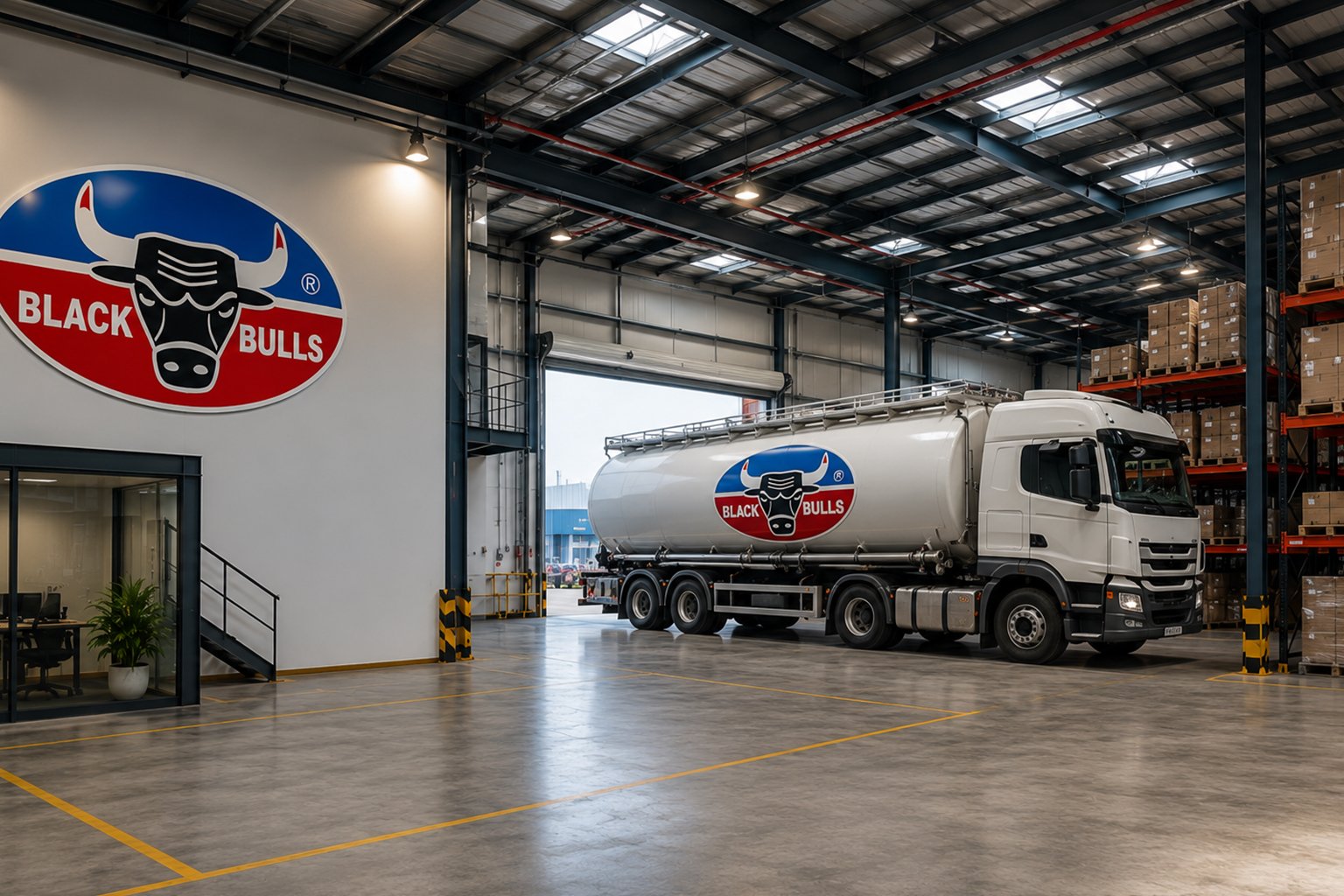
Choose Black Bulls Grease & Lubricants for consistent quality, reliable supply, and protection that keeps your machines, fleets, and operations moving.