
Look for an engine oil manufacturer with proven product quality, proper certifications, reliable production capacity, transparent documentation, strong packaging options, and the ability to support you consistently after the first order. Price matters, of course, but in bulk lubricant buying, the cheapest supplier can become expensive very quickly if quality, delivery, or compliance fails.
Bulk engine oil buying is not like picking a few cartons off a shelf.
When you are purchasing for a fleet, workshop chain, retail distribution, industrial operation, or export business, every drum, carton, and container you order affects your reputation. If the oil performs badly, your customer does not blame the factory first. They blame you.
That is why choosing the right manufacturer deserves more attention than just comparing price lists on WhatsApp.
A good supplier should make your buying process easier, not more stressful. They should understand technical grades, approvals, packaging, export requirements, documentation, and delivery timelines. More importantly, they should be able to prove what they are selling.
Start With Product Quality, Not Price
Price is usually the first thing buyers ask for. Fair enough. Margins matter.
But product quality should come before price, especially when you are buying in bulk. Engine oil has to protect engines under heat, pressure, load, and long operating hours. If the formulation is weak, the problem may not appear on day one. It may show up later as engine wear, sludge, poor performance, customer complaints, or warranty issues.
Ask the manufacturer about the base oils they use, additive technology, viscosity stability, and performance standards. A serious manufacturer will not avoid technical questions. They will explain the formulation clearly and provide supporting documents.
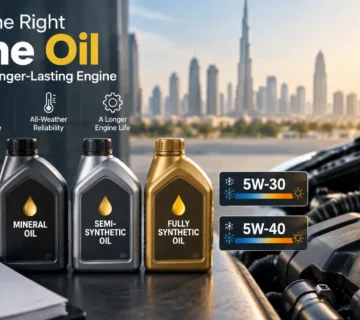
For example, if you are buying 15W-40 for commercial vehicles, you need to know whether it is suitable for diesel engines, high-load use, and regional climate conditions. If you are buying 5W-30 or 5W-40 for passenger cars, check whether the oil meets the expected API, ACEA, or OEM-related performance requirements.
Good oil is not just oil with an attractive label. It is chemistry, testing, consistency, and control.
Check Certifications and Manufacturing Standards
Certifications give you a basic level of confidence that the manufacturer follows proper systems. They do not tell the whole story, but they matter.
Look for ISO certifications, quality management systems, and documented production processes. Ask whether the facility follows batch testing procedures. Ask if they can provide a Certificate of Analysis with each order. This is especially important for distributors, export buyers, and businesses supplying workshops or industrial clients.
If a manufacturer hesitates to share technical data sheets, safety data sheets, or batch-related documents, treat that as a warning sign.
In bulk lubricant buying, paperwork is not just paperwork. It protects your business.
For international buyers searching for engine oil manufacturing in Dubai, documentation becomes even more important because shipments may need customs clearance, compliance checks, product registration support, and country-specific import paperwork.
Ask About Production Capacity and Lead Times
A manufacturer may be able to handle your first order. The real question is whether they can handle your repeat orders.
If you are planning long-term supply, check monthly production capacity, available stock levels, filling line capability, and average lead times. This is especially important if you need mixed SKUs such as 1L, 4L, 5L, 20L pails, drums, or IBCs.
A common mistake buyers make is placing one successful trial order and assuming the supplier can scale. Then the second or third order gets delayed because raw materials are unavailable, packaging is not ready, or production slots are full.
Ask direct questions.
How many days do they need for bulk production? Can they manage urgent orders? Do they keep packaging inventory? Can they support seasonal demand spikes? How do they handle delays?
A reliable manufacturer will give practical answers, not vague promises.
Private Label Support Can Be a Big Advantage
If you are building your own lubricant brand, private labeling is not just about printing your logo on a bottle.
You need support with label design, packaging selection, product range planning, technical descriptions, carton markings, barcode placement, and export-ready documentation. The manufacturer should also help you choose the right grades for your target market.
For example, a brand selling in hot climates may need a different product mix compared to a brand targeting European passenger cars. A workshop-focused brand may need fast-moving grades, while an industrial buyer may need hydraulic oils, gear oils, greases, and specialty lubricants alongside engine oils.
A good manufacturer will guide you instead of simply saying yes to everything.
Packaging Quality Matters More Than People Think
Packaging is often treated as a visual concern, but it is also a practical one.
Poor-quality caps can leak. Weak cartons can collapse. Bad labeling can create problems with retailers or customs. Low-grade plastic bottles can affect the overall perception of your brand.
If you are ordering for retail distribution, packaging has to look professional on the shelf. If you are ordering for workshops or fleets, packaging must be durable and easy to handle. If you are exporting, cartons and pallets must be strong enough for long-distance movement.
Ask to see packaging samples before confirming a large order. Check bottle strength, cap sealing, label finish, carton quality, and palletization options.
Small packaging problems become big problems when you multiply them across thousands of units.
Look at Export Experience
Dubai is a strong sourcing hub because of its location, ports, logistics network, and access to markets across the Middle East, Africa, Asia, and beyond. But not every manufacturer is equally experienced in export handling.
If you are an international buyer, ask whether the manufacturer has experience shipping to your region. Do they understand export documentation? Can they work with your freight forwarder? Can they prepare invoices, packing lists, certificates, and other required paperwork properly?
The right partner should reduce friction in the shipping process.
This is one reason many buyers researching engine oil manufacturing Dubai look beyond price and focus on supply reliability, documentation, and logistics support.
Test Communication Before You Commit
Communication tells you a lot about a manufacturer.
Do they respond clearly? Do they understand your requirement? Do they ask the right questions? Do they send proper quotations with product details, MOQ, packaging, payment terms, and delivery timelines?
A supplier who is unclear before payment may become even more difficult after payment.
Good manufacturers are usually structured. Their sales team understands technical grades. Their operations team knows delivery timelines. Their documents are organized. Their quotations are not messy or confusing.
It sounds basic, but in bulk buying, basic discipline matters.
Do Not Ignore After-Sales Support
The relationship does not end once the container leaves the factory.
You may need repeat supply, product information, marketing support, documentation, technical clarification, or help with new grades. If there is an issue, you need a manufacturer who responds responsibly.
A strong long-term supplier will help you grow. They will update you on product options, packaging improvements, market demand, and formulation upgrades. They will also be honest when something is not suitable for your requirement.
That honesty is valuable.
Choose a Manufacturer You Can Build With
The best engine oil manufacturer is not always the one with the lowest quote. It is the one that protects your business while supplying a product your customers can trust.
Before placing a bulk order, check the quality, certifications, production capacity, packaging, private label support, export experience, and communication standard. Ask for samples. Review documents. Start with a trial order if needed.
A reliable manufacturer will welcome those checks because they know serious buyers are not just looking for a supplier.
They are looking for a long-term partner.
Looking for a reliable engine oil manufacturer for bulk orders?
Partner with Black Bulls Grease & Lubricants for quality lubricants, private labeling, and export-ready supply from Dubai.