Engine oil is one of those things most drivers do not think about until the service reminder flashes, the mechanic asks a question, or the car starts feeling a little less smooth than usual.
Then suddenly, you are standing at a service centre hearing words like “fully synthetic”, “semi-synthetic”, “mineral oil”, “viscosity”, “engine protection”, and “long drain interval”. It sounds technical, but the decision is actually quite practical.
The oil you choose affects how your engine starts, how it handles heat, how clean it stays inside, and how well it performs over time. If you drive regularly or occasionally, own a fleet, or enjoy performance driving, this understanding will be useful when choosing the right oil for your car. Going with the cheapest or most familiar option is not always the best way.
Let’s break it down properly.
First, what is conventional oil?
Conventional oil is often called mineral oil. For many decades, it has been the fuel of choice and continues to deliver good performance to most vehicles, especially older cars or those with simple driving needs.
Think of it as the traditional option. Reliable, widely available, and usually more affordable.
For a car that runs short distances, is serviced regularly, and does not face extreme heat, heavy loads, or high-performance demands, conventional oil can still do the job. Many older vehicles were built with conventional oil in mind, so there is nothing “wrong” with it when used correctly.
The limitation is that conventional oil is less refined at a molecular level. Its structure is not as uniform as synthetic oil, which means it can break down faster under high temperatures, heavy traffic, or demanding driving conditions.
And if you drive in places where heat, dust, stop-start traffic, and long idling are common, that matters more than people realise.
So, what makes synthetic oil different?
Synthetic oil is engineered. It starts from a more refined base oil and is chemically designed to offer better stability, cleaner performance, and stronger protection.
That does not mean it is some magical liquid that makes every car faster. But it does mean it handles pressure better.
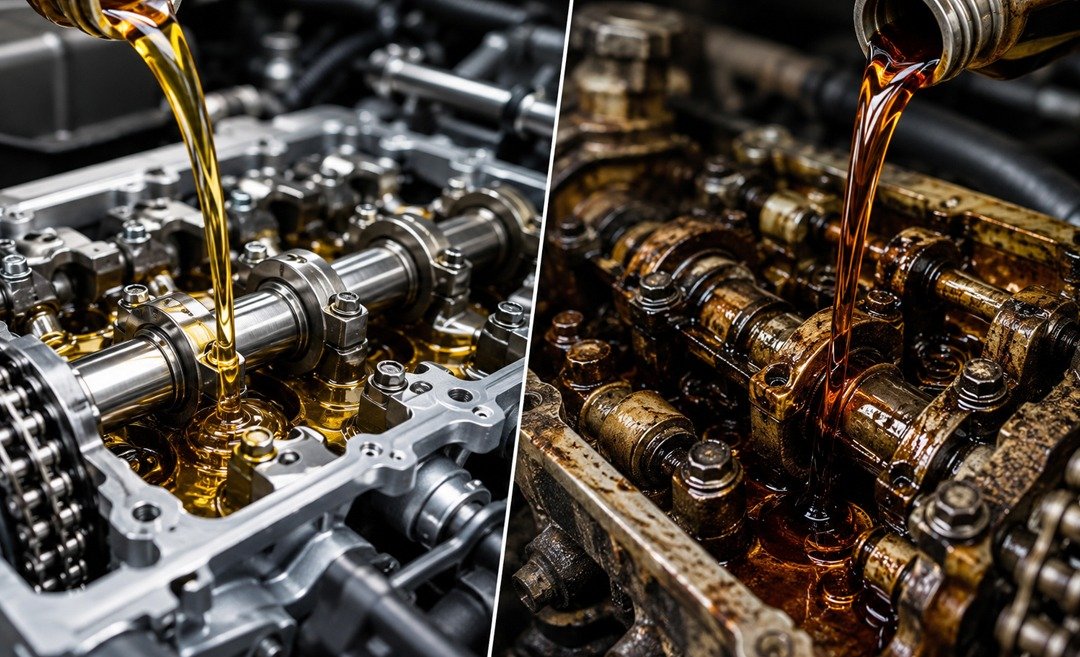
Synthetic oil flows more easily in cold starts, resists thinning in high heat, and usually keeps the engine cleaner for longer. At the same time, it generally has improved oxidation resistance; in other words, it resists getting broken down as rapidly when it comes in contact with the heat and oxygen inside the engine.
On the other hand, synthetic oil is usually the more solid option for today’s engines, turbocharged cars, those who accumulate a lot of mileage, and the vehicles that are exposed to very harsh conditions.
A simple example: if your car spends a lot of time stuck in traffic with the AC running, the engine is still working hard even though you are barely moving. Synthetic oil is better equipped for that kind of stress.
The real-world difference drivers actually feel
Not every driver will immediately feel a dramatic change after switching oils. Let’s be honest about that.
But over time, the difference shows up in small, important ways.
A good synthetic oil may help the engine feel smoother, especially during startup. It is able to help decrease internal friction, contribute towards achieving better fuel efficiency, and provide a more powerful form of protection when used over the breaking-in period or exposed to high temperatures.
Conventional oil can still protect the engine, but it may need to be changed more frequently. It is more likely to thicken, oxidise, or form deposits when pushed too hard.
For someone who drives a short school-run route in an older car, that may not be a major concern. For a taxi operator, delivery fleet, SUV owner, off-road driver, or someone using a turbocharged petrol engine, it becomes a bigger deal.
The difference between synthetic oil and conventional oil is not just about price. It is about how much stress your engine faces and how much protection you expect from the oil between services.
Heat, traffic, and engine deposits
Heat is one of the biggest enemies of engine oil.
When oil gets too hot for too long, it will begin to lose the protective abilities that it normally possesses. It may even turn thinner, less stable, and less efficient in terms of minimising friction. Gradually, low-quality or old oil can also lead to the formation of sludge and deposits inside the engine. Heat is one of the biggest enemies of engine oil.
Usually, synthetic oils come out on top in this respect. They are less likely to break down and also assist in maintaining the cleanliness of the internal parts of an engine. That matters in modern engines with tighter tolerances, smaller components, and higher operating temperatures.
Conventional oil is more vulnerable to breakdown, especially if oil change intervals are stretched. And many drivers do stretch them. Not always intentionally. Sometimes life gets busy, the service date passes, and the car keeps running, so it feels fine.
Until it does not.
Engine wear rarely announces itself loudly in the beginning. It builds quietly.
What about fuel efficiency?
Oil alone will not turn a fuel-hungry engine into an economy champion. But the right oil can help the engine work with less resistance.
Synthetic oils are especially formulated to cut down friction even more effectively. With lower friction, a vehicle can run smoother and in some cases, it can lead to a little bit of fuel economy. The positive change may not be very noticeable, however, fleet owners or drivers with high mileage can benefit from small savings that add up over the period.
For daily commuters, the major advantage is consistency. An oil that maintains its stability allows the engine to function at a relatively constant level under varying conditions such as a scorching day, sudden cold start, cruising on a highway, being stuck in traffic, or lengthy idle times.
Is synthetic oil always better?
Technically, synthetic oil offers better performance in many areas. But that does not mean every vehicle needs the most expensive oil on the shelf.
The best oil is the one that matches your engine, driving conditions, manufacturer recommendation, and service routine.
Some older engines may not require full synthetic oil. Some vehicles run perfectly well on a quality semi-synthetic blend. And in certain cases, switching to synthetic oil in a very old or poorly maintained engine may reveal existing leaks because synthetic oil flows more easily.
That is not the oil causing damage. It is usually exposing a weakness that was already there.
So, before switching, check your owner’s manual or speak to a trusted mechanic. The oil grade matters just as much as the oil type. A premium oil with the wrong viscosity is not a smart upgrade.
Cost: cheaper now or better value later?
Ordinary oil is generally lighter on your wallet at the time of purchase. That is its biggest advantage.
Synthetic oil is priced higher, however it generally has a longer lifespan and provides superior protection in harsh conditions. Numerous car owners find that the higher price is justified as it can lead to a healthier engine, less emissions, and a reduced number of issues caused by oil. .
Fleet owners especially should look beyond the price per bottle. Downtime, maintenance frequency, engine wear, and fuel consumption all carry costs. A slightly more expensive oil can be the better business decision if it helps vehicles stay on the road and perform reliably.
For everyday car owners, it comes down to how you drive. If your car is modern, frequently used, or exposed to heat and traffic, synthetic oil is usually worth considering.
Choose oil based on how your engine lives
Your engine does not care about marketing labels. It cares about lubrication, cleanliness, cooling support, and protection under pressure.
Conventional oil still has its place. It is cheap, reachable, and fits well for lots of simple tasks. . Synthetic oil, on the other hand, is built for stronger performance, better stability, and more demanding driving conditions.
So the real question is not just, “Which oil is better?”
It is: “What does my engine go through every day?”
If your car handles long commutes, hot weather, heavy traffic, towing, performance driving, or commercial use, synthetic oil is often the smarter move. If your vehicle is older, lightly used, and serviced frequently, conventional oil may still be perfectly reasonable.
Good engine care is rarely about choosing the flashiest option. It is about choosing the right protection before problems begin.
Choose the right engine oil for stronger protection, smoother performance, and lasting reliability.
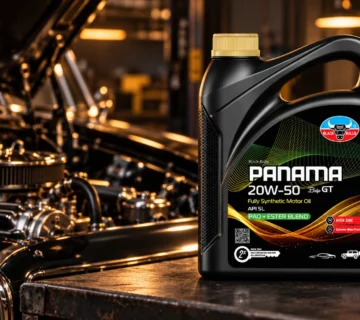
Explore Black Bulls high-performance lubricants built for modern engines, demanding roads, and drivers who expect more from every kilometre.