
Fuel is one of those costs fleet operators can never ignore for long. It sits there every month, taking a heavy bite out of margins. A small rise in diesel prices, a few extra idle hours, poor route planning, overloaded vehicles, or ageing engines, all of it shows up in the fuel bill.
Most fleet managers already consider driver behaviour, tyre pressure, route optimisation, engine tuning, and load management.These things matter, but one area often gets less attention than it should: lubrication.
Not because it is not important, but because it feels too technical or too routine. Oil is changed, grease is applied, and vehicles go back on the road. Job done.
But it is not that simple.
The lubricant inside a truck, bus, trailer, excavator or delivery van is doing far more than just “keeping parts moving”. It affects friction, engine load, operating temperature, component wear and ultimately fuel consumption. Over a single vehicle, the difference may look small. Across 20, 50 or 200 vehicles, it becomes very real.
Less friction means less wasted fuel
Every moving metal surface inside an engine creates resistance. Pistons, bearings, camshafts, gears and pumps all need energy to move. When friction is high, the engine has to work harder. And when the engine works harder, it burns more fuel.
Good lubrication reduces that internal drag.
This is where high-performance lubricants make a practical difference. They are designed to maintain a stronger, more stable protective film between components, even under pressure, heat and long operating hours. Less metal-to-metal contact means smoother movement. Smoother movement means the engine does not waste as much energy fighting itself.
For a commercial fleet, that matters. Trucks are not running short weekend trips. They are covering long distances, stopping and starting in traffic, carrying heavy loads, sitting in heat, climbing gradients and operating for hours at a stretch. Under those conditions, ordinary lubrication can break down faster than expected.
Better viscosity control helps engines work efficiently
Viscosity is one of those words that gets thrown around in technical conversations, but the idea is simple. If the oil is too thick, the engine needs more effort to circulate it. If it is too thin, it may not protect parts properly.
Both situations can hurt efficiency.
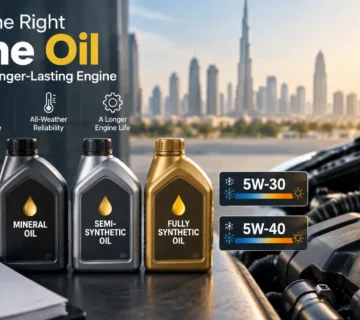
A lubricant with strong viscosity stability performs more consistently across different temperatures. During cold starts, it flows quickly enough to protect the engine without creating unnecessary resistance. During high-temperature operation, it stays strong enough to maintain protection.
Think of a delivery fleet operating in city traffic. Vehicles may start early in the morning, spend hours in stop-start movement, sit idle during loading, then run hard again through afternoon heat. The lubricant has to adapt to all of that. If it thickens, thins out, oxidises or loses stability too soon, fuel efficiency suffers quietly in the background.
It may not trigger a warning light. But the fuel numbers will know.
Cleaner engines burn fuel more effectively
Dirty engines are inefficient engines.
Over time, poor-quality lubricants can contribute to sludge, deposits and varnish inside engine components. These deposits interfere with smooth operation. They can restrict oil flow, reduce heat transfer and make parts work harder than they should.
A cleaner engine does not have to fight through the same level of internal resistance. It breathes better, runs smoother and maintains performance for longer.
For logistics companies, this is especially important because vehicles often operate under demanding schedules. A truck that runs every day with limited downtime needs oil that can handle long drain intervals and still keep internal parts clean. Poor lubrication may not cause immediate failure, but it can slowly reduce engine efficiency and increase fuel consumption over time.
That slow decline is expensive because it often goes unnoticed until maintenance costs rise.
Lower operating temperatures support better performance
Heat is a major enemy in commercial vehicles. Engines, gearboxes, axles and hydraulic systems all generate heat during operation. When temperatures climb too high, lubricants can degrade faster, seals can suffer, and components can wear more aggressively.
The right lubricant helps carry heat away from critical surfaces. It also resists thermal breakdown, which means it continues doing its job even when vehicles are under load.
Imagine a fleet of heavy trucks moving construction materials in peak summer conditions. The engine is working hard, the gearbox is under stress and the axle loads are high. A weaker lubricant may thin out or oxidise sooner, increasing friction and heat even more. It becomes a cycle.
Better lubrication helps break that cycle.
The vehicle runs with less strain, the components stay better protected, and fuel is used more efficiently instead of being wasted through excessive friction and heat.
Fuel savings add up faster than people think
One reason lubrication gets overlooked is that the fuel-saving percentage may sound modest. A fleet manager might hear “1% to 3% improvement” and think it is not worth chasing.
But apply that to a real fleet.
If a transport company spends a large amount every month on fuel, even a small percentage reduction can become a serious annual saving. Multiply that across trucks, vans, buses or heavy equipment, and the numbers start looking different.
There is another point too. Fuel saving is only one part of the story. Better lubrication can also support fewer breakdowns, longer component life, smoother engine performance and more predictable service intervals. That means less unplanned downtime, which is often more painful than the repair bill itself.
A vehicle sitting in the workshop is not earning.
It also protects older fleet vehicles
Not every fleet runs brand new vehicles. Many businesses operate mixed fleets with older trucks alongside newer models. Older engines often have more wear, looser tolerances and higher stress on internal parts.
That makes lubricant choice even more important.
The right oil can help maintain compression, reduce wear and support smoother operation in ageing engines. It will not magically turn an old truck into a new one, but it can help slow performance decline and reduce unnecessary fuel loss.
For businesses trying to extend vehicle life without compromising reliability, lubrication becomes part of the asset management strategy, not just routine maintenance.
Fleet efficiency is built in small details
Fuel efficiency rarely comes from one magic fix. It is usually the result of many small improvements working together.
Better driving habits, correct tyre pressure, proper maintenance, clean filters, smart routing, accurate load planning and yes, the right lubricant.
High performance lubricants are not just a premium product on a shelf. Using them correctly, they can help commercial fleets reduce friction, manage heat, protect engines, improve reliability and get more useful work from every litre of fuel.
For fleet operators, the question is not only “What does this oil cost per drum?”
The better question is: “What does poor lubrication cost across the whole fleet?”
That answer is usually much bigger.
Keep your engines running stronger, smoother, and longer with high-performance lubricants engineered for demanding roads, heavy loads, and extreme operating conditions.
Connect with Black Bulls Grease & Lubricants today to explore high-performance lubricant solutions for your fleet, machinery or distribution business.