
Fleet managers do not need another thing to worry about. They already deal with tight delivery schedules, rising fuel costs, driver availability, breakdown risks, compliance checks, tyre wear, and customers who expect everything yesterday.
So when something as basic as engine oil starts affecting uptime, maintenance cost, fuel efficiency, and vehicle life, it deserves attention.
For years, many commercial fleets relied on conventional or semi-synthetic oils because they were familiar, available, and cheaper upfront. That logic made sense at one point. But modern trucks, buses, delivery vans, and heavy-duty vehicles are working harder than ever. Engines are running hotter, routes are longer, stop-start driving is more common, and downtime is simply too expensive.
That is why more fleet operators are moving towards full synthetic heavy-duty engine oil. Not because it sounds premium, but because it solves real problems on the road.
Engines Are Under More Pressure Than Before
A commercial vehicle engine rarely has an easy day.
One truck may spend hours crossing highways under heavy load. Another may crawl through city traffic with constant braking, idling, and acceleration. A delivery fleet may start and stop dozens of times in a single shift. Construction vehicles may operate in dust, heat, and harsh terrain.
All of this creates heat, friction, oxidation, and wear inside the engine.
Traditional oils can protect the engine, but they often break down faster under extreme conditions. When oil loses its strength, it becomes less effective at controlling deposits, reducing friction, and protecting moving parts. That is when maintenance issues slowly begin to build up.
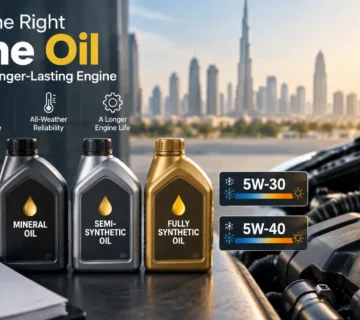
Synthetic oil is designed to stay more stable in these demanding conditions. It flows better in cold starts, handles high temperatures better, and maintains its protective qualities for longer. For a fleet, that difference is not just technical. It can mean fewer workshop visits and fewer vehicles sitting idle.
Less Downtime Is the Real Win
Every fleet operator knows the hidden cost of downtime.
It is not only the repair bill. It is the missed delivery. The replacement vehicle. The driver is waiting around. The delayed schedule. The customer complaint. Sometimes, one unexpected breakdown can disrupt an entire day’s operation.
Better lubrication helps reduce that risk.
Synthetic oils provide stronger protection against engine wear, especially during high-stress moments such as cold starts, heavy loads, steep climbs, and long operating hours. These are the moments where engines suffer the most.
A truck that runs smoothly for longer is more valuable than a truck that saves a little money on cheaper oil but spends more time in the workshop. That is the calculation many fleet owners are now making.
Longer Drain Intervals Make Practical Sense
Oil changes are necessary, but they also take time.
For a small fleet, scheduling maintenance may be manageable. For a larger fleet with dozens or hundreds of vehicles, oil change planning becomes a serious operational task. Every service interval needs coordination. Every vehicle taken off the road affects productivity.
One reason synthetic oils are gaining ground is their ability to support longer drain intervals when used correctly and in line with manufacturer recommendations.
This does not mean ignoring maintenance. That would be careless. But it does mean fleet operators may be able to reduce the frequency of oil changes without compromising protection.
For high-mileage trucks or vehicles running daily routes, this can create meaningful savings over time. Less oil consumption. Less labour. Fewer service interruptions. More time on the road.
Fuel Efficiency Matters More Than Ever
Fuel is one of the highest operating costs in any commercial fleet. Even a small improvement in fuel efficiency can make a noticeable difference when multiplied across many vehicles and thousands of kilometres.
Synthetic oils can help reduce internal engine friction. When the engine does not have to work as hard against friction, it may operate more efficiently. The improvement may not feel dramatic in one vehicle over one week, but fleet economics are built on scale.
A small percentage saved across a full fleet can become a serious number by the end of the year.
This is why maintenance professionals often look beyond the price per litre. The better question is: what does this oil help save over the life of the vehicle?
Better Protection in Heat, Dust, and Heavy Loads
For fleets operating in hot climates, harsh road conditions, or industrial environments, oil quality becomes even more important.
Heat speeds up oil degradation. Dust and contaminants put extra pressure on filtration and engine cleanliness. Heavy loads increase stress on engine components. In these conditions, poor lubrication shows up quickly.
Synthetic oils tend to resist thermal breakdown better than conventional oils. They also help control sludge and deposits, keeping the engine cleaner over time. A cleaner engine usually performs better, lasts longer, and gives maintenance teams fewer surprises.
Anyone managing trucks in the Middle East, Africa, or long-haul routes through extreme climates will understand this point immediately. Oil is not just a maintenance item in these environments. It is part of the vehicle’s survival system.
The Upfront Cost Is Not the Full Story
Yes, synthetic oil usually costs more at purchase.
That is the part some fleet owners notice first. But the upfront price does not tell the full story. A cheaper oil can become expensive if it leads to more frequent oil changes, more wear, more downtime, or shorter engine life.
This is where total cost of ownership matters.
If a better oil helps extend engine life, reduce service frequency, improve fuel efficiency, and protect vehicles under stress, the value becomes easier to justify. For commercial fleets, decisions should be based on long-term operating cost, not just the invoice price of a drum.
It is the same logic as buying better tyres, better filters, or better parts. The cheapest option is not always the most economical one.
Modern Engines Need Modern Lubrication
Engine technology has changed. Emission systems are more advanced. Turbochargers are common. Engines are built with tighter tolerances. Performance expectations are higher.
Older oil habits do not always match newer engine demands.
Using the right oil helps protect not only the engine but also the systems connected to it. Fleet managers who want consistent performance cannot afford to treat lubrication as an afterthought.
This is one of the biggest reasons full synthetic heavy-duty engine oil is becoming the preferred choice for serious fleet operations. It fits the reality of modern commercial vehicles better than older lubrication options.
A Smarter Standard for Fleets That Cannot Slow Down
Commercial fleets are built to move. Every hour a vehicle is working, it is earning. Every hour it is down, it is costing money.
That is why engine oil is no longer just a routine purchase. It has become part of a wider performance and maintenance strategy.
Fleet owners are not switching to synthetic oil because it is trendy. They are switching because the demands on vehicles have changed. Routes are tougher. Engines are more advanced. Margins are tighter. Downtime is less acceptable.
The oil inside the engine may not be visible, but its impact shows up everywhere: in smoother operations, fewer breakdowns, better efficiency, and longer vehicle life.
For fleets that want to stay reliable, competitive, and ready for heavier workloads, synthetic lubrication is quickly becoming less of an upgrade and more of a new standard.
Choose Black Bulls Grease & Lubricants for performance that keeps your fleet moving stronger, smoother, and longer.
Get in touch today to find the right lubrication solution for your vehicles and equipment.