
Garages and workshops in Dubai need an engine oil and lubricant supplier that can provide the right viscosity grades, consistent product availability, bulk supply options and technical support for different vehicles. When comparing automotive lubricants suppliers in Dubai, workshops should look beyond price and consider product range, supply reliability, lubricant specifications and support for day-to-day workshop requirements.
A busy workshop doesn’t have the luxury of stocking one engine oil and using it for every vehicle that comes through the door.
One morning it might be a petrol SUV. An hour later, a newer passenger car arrives for service, followed by a diesel commercial vehicle with completely different lubricant requirements. Add fleet customers to the mix and oil inventory can become complicated surprisingly quickly.
For garages and auto service centres in Dubai, choosing a lubricant supplier is therefore not just a purchasing decision. The right supplier can make everyday servicing easier, while inconsistent supply or a limited product range can leave technicians looking for alternatives at exactly the wrong time.
Why Dubai Workshops Need More Than One Engine Oil
Modern engines have become much more specific about the lubricants they require.
Viscosity grades such as 0W-20, 5W-30, 5W-40 or 15W-40 are not interchangeable simply because they are all engine oils. Vehicle manufacturers specify viscosity and performance requirements based on engine design, operating conditions and other technical requirements.
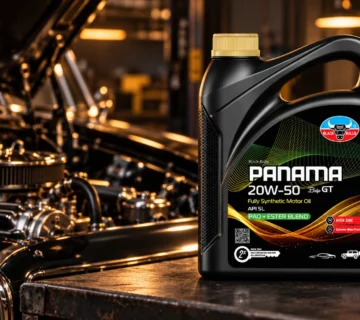
For example, workshops servicing petrol vehicles may need products such as Black Bulls SAE 0W-20 where this viscosity grade and specification are recommended by the vehicle manufacturer. For diesel applications, Black Bulls Stamina Plus 15W-40 provides another option for vehicles and equipment requiring its stated viscosity and performance specification.
For a workshop servicing several makes and models, this creates a practical stocking challenge.
Keeping too few products can limit the vehicles you can service correctly. Keeping too many slow-moving grades ties up money and valuable workshop storage space.
A good lubricant supply arrangement sits somewhere in the middle. Workshops should understand which petrol and diesel vehicles they service most often, identify the lubricant grades that move regularly and maintain access to less common products when required.
Dubai Heat Matters, But the Vehicle Specification Still Comes First
Dubai’s climate naturally raises questions about engine oil.
High ambient temperatures, stop-start traffic and long periods of engine operation can place considerable demands on lubricants. Commercial and fleet vehicles may face an even tougher routine because of longer daily operating hours.
But hotter weather doesn’t mean a workshop should automatically use thicker engine oil.
The vehicle manufacturer’s recommendation remains the starting point. Modern engines are designed around specific oil viscosity and performance standards, and moving away from those requirements without a technical reason can affect lubrication and engine operation.
For technicians, the practical rule is simple: consider Dubai’s operating conditions, but don’t let climate override the vehicle’s actual lubricant requirement.
What Should You Look for in a Lubricant Supplier?
Price matters when you’re buying oils regularly, especially in drums or larger quantities. But choosing entirely on the lowest unit price can create problems elsewhere.
When assessing automotive lubricants suppliers in Dubai, garages and procurement teams should look at a few practical areas.
A Product Range That Matches Your Customers
Start with what actually comes into your workshop.
A garage servicing mainly passenger cars will have different lubricant requirements from a workshop handling SUVs, commercial vehicles or mixed fleets. Petrol and diesel engines may also call for different lubricant specifications.
Engine oil is only one part of the requirement. Depending on the business, workshops may also need transmission fluids, gear oils, hydraulic oils, greases, coolants and other automotive lubricants.
Having these available through one dependable supply relationship can make purchasing considerably easier.
Consistent Stock Availability
A product is not particularly useful if it is regularly unavailable when your technicians need it.
Garages work around service schedules. Fleet workshops may have several vehicles arriving within a fixed maintenance window. Running short of a commonly used engine oil can delay servicing and disrupt the rest of the day’s work.
Ask suppliers about stock continuity, lead times and how they handle larger or recurring orders. These questions often matter more in practice than a small difference in price.
Bulk Supply That Makes Commercial Sense
A workshop using several containers of the same oil every week probably shouldn’t be purchasing it in the same way as an individual car owner.
Bulk lubricant purchasing can simplify inventory and make the cost per service easier to manage. The right format depends on consumption. For some businesses that may mean larger packs or drums, while higher-volume workshops and fleet operations may require a different supply arrangement.
The important part is matching purchase volume to actual consumption rather than ordering excessive stock simply because a bulk price looks attractive.
Don’t Ignore Storage and Oil Handling
Good lubricant can still cause problems if it is handled badly after delivery.
Drums and containers should be stored properly and protected from contamination. Different grades need clear identification, particularly in workshops where several technicians may access the lubricant store throughout the day.
Dedicated dispensing equipment also helps reduce the risk of cross-contamination.
This sounds basic, but workshop mistakes often happen in ordinary situations: an incorrectly labelled container, a dirty transfer pump or two similar-looking oils stored beside each other.
A little organisation here protects both the lubricant and the vehicle being serviced.
Think About Supply as Part of Workshop Operations
For larger garages, service centres and fleet workshops, lubricants are recurring inventory rather than occasional purchases.
It helps to track which grades move fastest, how much is consumed each month and when stock normally needs replenishment. Procurement teams can then purchase around actual workshop demand instead of reacting when a drum is nearly empty.
This is also where working with established automotive lubricants suppliers in Dubai becomes useful. A supplier that understands your regular consumption, vehicle mix and ordering pattern can provide a much more practical service than one simply processing individual orders.
The Right Supplier Should Make the Workshop’s Job Easier
Garages already have enough variables to manage: technicians, bookings, spare parts, customer expectations and vehicles that rarely arrive with identical requirements. Lubricant supply shouldn’t become another daily problem.
Look for a supplier that can support the grades and specifications your workshop actually uses, maintain dependable availability and provide sensible supply options as your purchasing volume grows.
Black Bulls Grease & Lubricants supplies engine oils and automotive lubricants for garages, workshops, fleet operators and automotive businesses in Dubai. Whether you need regularly used petrol and diesel engine oils or a broader lubricant supply arrangement, speak with the Black Bulls team about your workshop requirements.