Walk into any auto shop or industrial supply store, and you’ll see shelves lined with lubricant brands claiming the same thing: better performance, longer life, and superior protection. On paper, they all sound convincing, but in reality, the gap between a decent lubricant and a genuinely high-performing one can be significant and expensive if you get it wrong.
Whether you are managing a fleet, running heavy machinery, or just taking care of your own vehicle, choosing the right lubricant is not about brand popularity. It’s about understanding what actually matters beneath the label.
Let’s break it down properly.
Start with Specifications, Not Branding
The biggest mistake people make is starting with the brand name instead of the technical specifications.
Every engine or machine has recommended standards, API ratings, viscosity grades, and OEM approvals. These are not only suggestions, but they are your baseline.
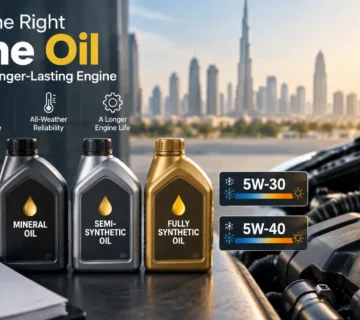
For example, a 5W-30 oil with API SN certification behaves very differently from a lower-grade alternative, even if both claim “high performance.” The difference shows up over time, engine wear, fuel efficiency, and heat tolerance.
A reliable supplier will always make these specifications clear. In fact, most experienced buyers working with Lubricant suppliers in Dubai tend to shortlist products based on compliance first, brand second. It saves a lot of trial and error.
Understand the Base Oil Quality
Not all lubricants are built the same at a molecular level.
You’ll generally come across three categories:
- Mineral oils
- Semi-synthetic blends
- Fully synthetic oils
But here is the nuance: not every application needs a premium synthetic oil. Over-specifying can be just as inefficient as under-specifying. It’s about matching the oil to the operating conditions.
If a brand is not transparent about its base oil composition, that’s usually a red flag.
Additives Make the Real Difference
Base oil is just the foundation. Additives are where the real engineering happens.
Good lubricants contain carefully balanced additives for:
- Anti-wear protection
- Detergent and dispersant action
- Corrosion resistance
- Viscosity stability under temperature changes
Two oils with the same viscosity grade can perform very differently depending on their additive package.
This is why experienced mechanics often stick to brands they trust. They have seen how certain oils behave over time, clean engines, fewer deposits, and smoother operation.
When comparing brands, look beyond marketing claims. Ask for technical data sheets. Look at parameters like Total Base Number (TBN) or flash point. That’s where the truth sits.
Real-World Performance Matters More Than Claims
You can read all the specifications sheets you want, but nothing beats real-world feedback.
Talk to fleet managers. Ask mechanics what they’ve seen after 10,000 km or 500 operating hours. Patterns start to emerge quickly.
For example, one brand might show excellent lab results but struggles in high-dust environments. Another might handle extreme heat better, making it more suitable for regions like the UAE.
This is where sourcing becomes critical. Many buyers rely on established Lubricant suppliers in UAE because they have already filtered out inconsistent brands and understand what works locally.
Consistency Is a Big Deal
A brand might deliver great performance once. That’s not enough.
Consistency across batches is what separates serious manufacturers from average ones. Industrial buyers, especially, can’t afford variability. One inconsistent batch can disrupt operations, increase wear, or even lead to equipment failure.
Check if the brand follows strict quality control processes. Certifications like ISO standards are not just paperwork; they indicate the manufacturing discipline.
If a supplier hesitates to share quality certifications or batch testing details, it’s worth questioning.
Price vs Value – Don’t Fall for Short-Term Savings
It’s tempting to go for the cheaper option, especially when you’re buying in bulk.
But lubricant cost is only a fraction of the total operating cost. What really matters is:
- How often do you need to change it
- Impact on fuel efficiency
- Wear and tear on components
- Downtime risks
A slightly more expensive oil that lasts longer and protects better usually works out cheaper over time.
This is something most seasoned buyers figure out the hard way. After a few costly repairs, the focus shifts from price per litre to cost per hour of operation.
Supplier Reliability Is Just as Important as the Brand
Even the best lubricant won’t help if the supply chain is unreliable.
Late deliveries, inconsistent stock, or improper storage can affect product quality. This is why many businesses prefer working with established Lubricant suppliers in Dubai who can ensure steady availability and proper handling.
A good supplier does more than just sell. They guide, recommend, and sometimes even help optimise your lubricant usage based on your application.
That kind of support makes a noticeable difference.
Don’t Ignore Packaging and Storage
It sounds minor, but it matters.
Poor packaging can lead to contamination. Improper storage conditions, exposure to heat, moisture, or dust can degrade the oil before it even reaches your engine.
Always check seals, manufacturing dates, and storage conditions. Especially when buying from new sources.
Professional Lubricant suppliers in UAE usually follow strict storage protocols, which adds an extra layer of confidence.
What Actually Matters When You Choose
Evaluating lubricant brands is not complicated, but it does require attention to detail.
Look at specifications first. Understand what’s inside the oil, like the type of component mix and the quantity of components. Pay attention to real-world performance and don’t underestimate the role of a reliable supplier.
Once you start approaching it this way, the noise fades out. You stop chasing brand names and start making decisions based on performance, consistency, and long-term value.
That’s when you are no longer just buying lubricant; you are making a smarter operational choice.
Power your engines with performance you can trust, engineered for extreme conditions and built to last.
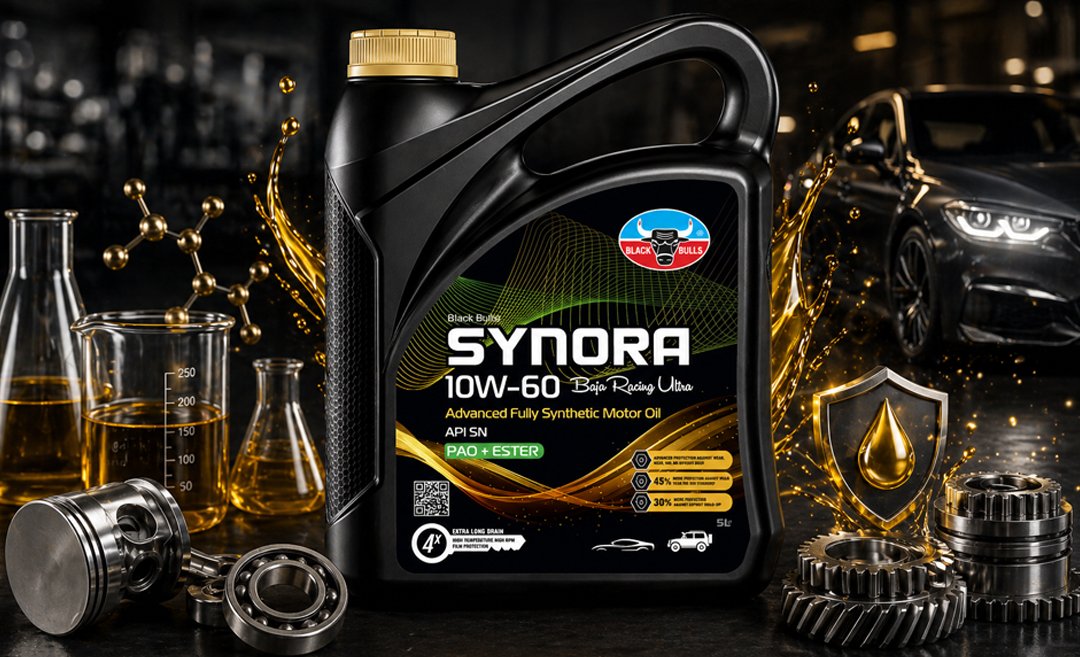
Connect with Black Bulls Grease & Lubricants to experience lubrication that works as hard as your machines do.