
Have you ever wondered about the right engine oil change interval for your vehicle? The correct interval depends heavily on your vehicle manufacturer’s recommendations, oil specifications and the conditions in which you drive.
There is no one-size-fits-all kilometre figure for every car, engine and driver. The appropriate service interval starts with the manufacturer’s recommendations in the owner’s manual and can then be adjusted based on real-world driving conditions, including slow-moving traffic and the heat experienced on UAE roads.
This blog offers a complete guide on how engine oil change intervals are determined, factors that affect them, the signs that your oil may be overdue, and how to check your oil between services.
How Often Should You Change Your Engine Oil?
There are two main methods for determining how often should engine oil be changed.
Mileage-based intervals or time-based intervals. An automobile manufacturer may set a service schedule based on a set number of months or a specific mileage figure, whichever milestone is reached first.
Oil wears out both from driving and with time periods. That’s why you should always start with the manufacturer’s schedule, found either in the owner’s manual or shown by the vehicle’s service reminder system.
Today’s engines, oils and driving conditions are too diverse for one definitive answer. Some vehicles are engineered to run on long-life synthetics oils, while others require much more frequent changing, especially when driven harder. Hence, instead of defaulting to the number itself, refer to your owner’s manual and then consider how the car is driven.
Understanding Your Oil Change Schedule
An engine oil change interval is the recommended amount of time or distance you can drive before your engine oil needs to be replaced.
Mileage-Based Intervals
Most manufacturers set a mileage target, commonly:
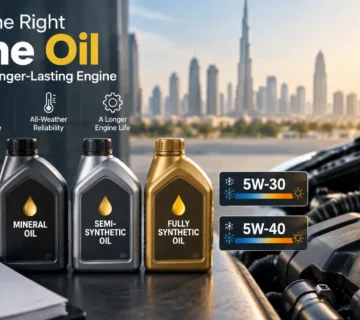
- 3,000-5,000 miles for conventional oil
- 7,500-10,000 miles (or more) for synthetic oil
As synthetic oil has a longer life, as it can withstand higher levels of heat without breaking down or forming sludge.
Time-Based Considerations
Mileage isn’t the only consideration; oil also wears out when it sits around, even without the miles. This is why nearly all manufacturers recommend an oil change between 6 and 12 months regardless of the mileage number. It’s most important for:
Severe-Service Considerations
Extreme driving conditions that accelerate engine oil breakdown and decrease the oil change interval.
Here are a few of the most common severe-service indicators:
- Short frequent trips, particularly in cold weather conditions.
- Extensive idling or stop-and-go traffic.
- Extreme heat or extreme cold climates.
But the right interval is whichever hits first, either the mileage mark, the time limit, or a modified severe-service interval.
Additionally, always consult your owner’s manual (by vehicle, model and engine size), as the interval is different depending on the make.
What Factors Affect Your Oil Change Schedule?
A list of factors is discussed which affect your car oil change interval, mentioned as follows:
Manufacturers’ Requirements – they are always first in the list, because they correspond to specific engine and oil specifications.
Stop-start Traffic – frequent braking and idling cause the engine to work harder than maintaining a constant speed.
Frequent Idling – continuous idling (at queues or waiting with the AC on) keeps the engine running without the benefit of sustained higher-speed operation that helps circulate and cool oil.
Short Drives – engines that are not fully warm often don’t burn off condensation and contaminants as effectively.
Commercial and fleet use – more miles and varied conditions may mean they need to be monitored more frequently.
Age of vehicle, engine type – engines have different requirements depending on their age and type, such as turbocharged or diesel engines.
Does UAE Weather Affect Engine Oil Change Intervals?
The ambient temperatures, high traffic, excessive use of the air conditioning, and idling of vehicles can put additional stress on an engine and its oil. As heat can speed up the oxidation of oil over time, along with the stop-and-start city driving, it is considered to be “severe service” in most owner’s manuals.
But heat or high temperature does not stand as a sole factor in the owner’s manual. The weather conditions of the UAE are a relevant factor to weigh when deciding whether your driving falls under normal or severe service, not a reason to disregard manufacturer guidance altogether.
Consider whether the severe-service interval (as shown in your manual) in your vehicle applies to you if much of your driving is in heavy traffic, short trips, or extended idling.
Signs You May Need an Engine Oil Change
Apart from scheduled service, there are a few key indicators to go on that tell you when it’s time to change that oil.
- A low oil level on the dipstick or digital gauge.
- Warning lights on the dashboard, such as oil pressure or service reminder lights.
- An abnormal noise from the engine, which might include excessive tapping or knocking, due to poor lubrication.
- Increased oil consumption between checks.
- Visible leaks you can see appearing under the car or engine.
The colour of oil alone is no indication of its effectiveness, as it darkens with use normally and can be dark even when it still has a useful service life. Therefore, use the above indicators, along with your service schedule, to help determine when it’s a time to change your engine oil.
What Happens If You Delay an Engine Oil Change?
Oil deteriorates over time with use, as additives in oil chemically break down, the oil loses its ability to lubricate moving parts, and under unsuitable conditions it allows the formation of sludge or deposits in the engine.
Delaying getting the oil changed past the service interval results in the oil operating longer than it was designed to. Which will cause more wear and tear on the engine.
The approach is to ensure you follow the recommended interval distance or time, whichever occurs first. If you fail to, then you only bring on further mechanical faults. Do not subject yourself to it again and follow the recommended oil change interval, mileage or time, whichever occurs first.
How to Check Your Engine Oil Before an Oil Change
Meticulous oil checks between services can prevent possible issues.
- Park on level ground and run the engine and cool it if you have just driven.
- Locate the dipstick and look at the check digital oil-level indicator, if your vehicle has it.
- Remove the dipstick, wipe it clean, insert it all the way, remove it again, and observe the reading.
- Check the oil is between the marked minimum and maximum levels.
- Notice the oil’s texture; it should still be quite liquid, not coarse to the touch.
- Inspect below the vehicle and the engine bay for any leaks.
Mileage or Time: Which Matters More?
Both matter; mileage and the time intervals are also usually given together for a minimum number of kilometres or a minimum number of months, whichever is reached first. The mileage indicates mechanical wear and use, while time takes account of oil degradation irrespective of the vehicle used.
And it applies especially to cars that are driven infrequently. Oil deteriorates in engines over time, even if it covers low mileage, but sits around for the majority of the time and may need an oil change on that time-based interval, even if that number isn’t even close to the mileage one.
How Often Should Different Types of Vehicles Change Engine Oil?
While the type of vehicle and how it is used are going to make a difference. Furthermore, guidance of the manufacturer is always the starting point, not some fixed, universal number:
Personal cars
Usually adhere to the manufacturer’s routine or adjust in case of frequent short journeys or stop-and-go traffic.
Diesel cars
There may be variations in the oil specifications and oil change interval on diesel and petrol engines. Therefore, following the specific guidance for the particular engine will offer you an edge.
Commercial or fleet vehicles
Tend to accrue mileage rapidly and have harsher conditions, requiring a higher degree of attention and more regular inspections.
Heavy-Use Vehicles
Towing, idling, and continuous long-distance driving are typical of severe-service benchmarks that normally require far more frequent changes than typical use.
The decision in each of these cases is guided by the engine and oil specifications found in the manufacturer’s handbook. Instead of making assumptions based just on the type of vehicle.
Engine Oil Change Checklist
Here’s an engine oil change checklist, as follows.
Check | What to Do |
| Manufacturer interval | Check the owner’s manual or digital service reminder for mileage or time interval. |
| Driving conditions | Assess if driving is mostly city traffic, short trips, or highway. |
| Severe-service criteria | Check if your driving matches the manufacturer’s severe-use definition. |
| Oil level | Check the dipstick or digital gauge regularly between services. |
| Oil condition | Look for gritty texture, not just colour. |
| Warning lights | Address oil pressure and service lights promptly. |
| Unusual noise | Investigate engine tapping or knocking sounds. |
| Leaks | Inspect underneath the vehicle periodically. |
| Time since last change | Track elapsed months, not just kilometres driven. |
| Vehicle type/use | Factor in personal, diesel, commercial or heavy-use classification. |
At Black Bulls, we manufacture and wholesale high-quality lubricants to distributors, businesses, and end-users. We can assist with your car’s specific oil specification and service needs based on your manufacturer’s guidelines. Reach out to us.
Conclusion
All vehicles require engine oil changes to maintain engine operation, but the interval between oil changes depends on your specific vehicle, engine oil specifications, driving habits and what the manufacturer’s manual recommends.
The most reliable way to ensure your engine is protected is to follow your manufacturer’s schedule, pay close attention to the above warning signs, and take into account real-world factors, such as traffic and the sun in the UAE.
Driving in the UAE’s ambient temperature, follow the mentioned maintenance requirements to ensure the utmost protection of the engine and support for best results. Additionally, examine the use of the mentioned oil in your manual.
Frequently Asked Questions
Q1. What is the normal engine oil change interval?
Usually, the correct interval to change the engine oil is different for every vehicle, based on your oil specification, driving conditions, and manufacturer’s recommendations. Consult your manual or service schedule.
Q2. How frequently do you need to replace your engine oil?
Follow the mileage or time interval specified in your owner’s manual for changing the oil. If you take many short trips, haul heavy loads, and travel in extremely hot or cold conditions. If you have a driving style that is aggressive, you may need more frequent oil changes.
Q3. When should you change engine oil?
The specific mileage covered or amount of time, or earlier if the manufacturer recommends for severe operating conditions.
Q4. How do I tell if my engine oil needs a change?
Start by referring to the manufacturer’s service schedule. You may also consider it if there are warning signals like low oil level, a change in oil colour, or strange engine sounds.
Q5. Is the hot weather in the UAE the reason for excessive oil changes?
The hot weather in the UAE adds to the load on the oil, which is heightened with the need to stop and start in city traffic or when idling. Consult the manufacturer’s guidance for your area’s operation.
Q6. Do I need to change the engine oil by the time I drive my car rarely?
Yes, time may be important even with minimal driving, as oil can age while sitting. Follow the manufacturer’s time-based interval unless otherwise noted.